
You know that feeling of moral victory when you finally drop off that crusty old laptop or outdated flip phone at a “recycling” bin? Cue the imaginary gold star on your chest – you’re saving the planet! The truth about electronics recycling is messier than the drop-off bin suggests.
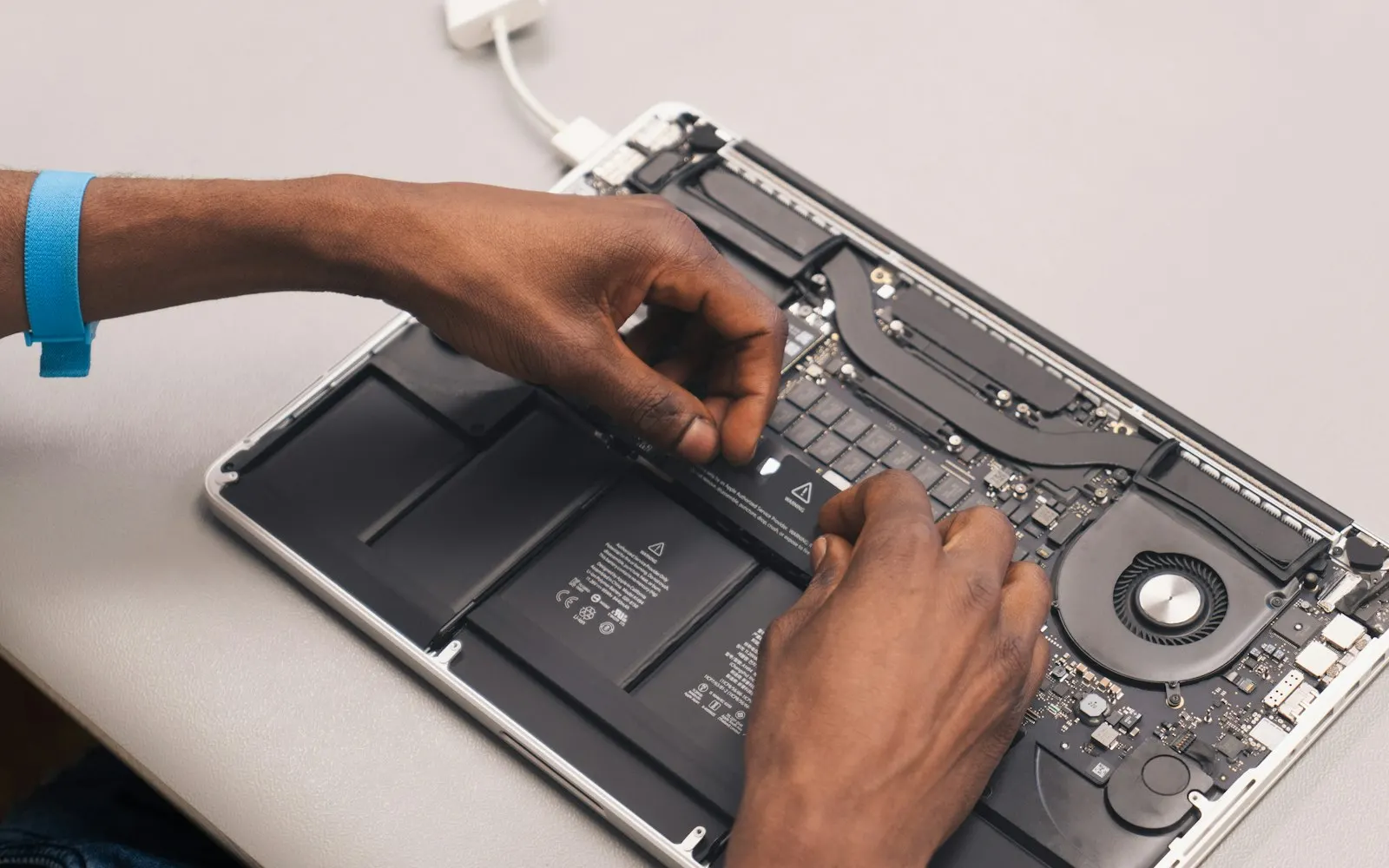
…Except, plot twist: a large chunk of that “recycled” tech ends up doing a world tour – straight to a landfill, or worse, an unregulated junkyard overseas.
Where electronics recycling really goes
- 29% of e-waste?
- 40%?
- The rest?
In many developing countries, people are disassembling these devices by hand, often with zero protective gear. Imagine cracking open a 2007 Dell tower and getting a face full of mercury and neurotoxins. Not exactly a wellness retreat.
The results? Higher lead levels, spontaneous abortions, cancer risks, and all sorts of horrifying words you’d rather not associate with a busted iPhone.
But wait – it gets worse!
Your data isn’t safe either.
Since this whole international recycling gig is the Wild West (read: unregulated and unlicensed), your photos, passwords, credit card info, and all those “definitely deleted” files could be floating around in someone’s black-market bargain bin.
And as of 2021, there’s no federal law in the U.S. stopping any of this.
A failed attempt at electronics recycling
Back in 2004, Dell and Goodwill said, “Let’s fix this!” and launched a recycling program. They accepted any old computer, promising to dispose of them “responsibly.” Sounds good, right?
Except – plot twist #2 – they were secretly shipping that junk off to Southeast Asia. The average “recycled” device traveled over 2,500 miles. Apparently, it’s not e-waste until it gets frequent flyer miles.
Staples and Best Buy also offer similar programs. Sadly, many of those devices take a one-way trip to a landfill or get dumped in places like Hong Kong or West Africa, where folks risk their health to strip out bits of copper and gold.
Better electronics recycling: what you can do
The best move? Don’t recycle – revive.
Keep your tech running as long as possible. That laptop from 2017? Still got some juice in it! Your desktop from 2015? Give it a little love, and it’ll keep purring like a confused but loyal toaster.
Here’s how to keep your computer happy and out of a toxic dump:
- Weekly:
- Yearly:
- Always:
- Every three years:
- ASAP:
TL;DR
Recycling tech feels good. But most of the time, it’s a smokescreen for something shady. Keeping your devices alive longer is better for your wallet, your data, and, believe it or not, the planet.
So go ahead – hug your laptop today. And maybe clean the crumbs out of the keyboard while you’re at it.
Sources & Additional Information: [Columbia University](https://news.climate.columbia.edu/2020/12/21/electronic-waste-growing-problem/) • [Vice](https://www.vice.com/en/article/yp73jw/the-eu-is-worse-at-recycling-e-waste-than-we-thought) • [The Verge](https://www.theverge.com/2019/12/4/20992240/e-waste-recycling-electronic-basel-convention-crime-total-reclaim-fraud) • [60 Minutes](https://www.cbsnews.com/news/60-minutes-unprecedented-look-at-a-mountain-of-ewaste/)
The EPA lists ways to donate and recycle electronics, and e-Stewards certifies recyclers that handle devices responsibly. Before you let a computer go, try our Repair or Replace quiz and ask us to recover and wipe your data.

ABOUT THE AUTHOR
Daryl Elliott
Daryl founded Mount Vernon Computer Repair in 2004 and has spent more than 20 years fixing computers, networks, printers and phones for homes and small businesses across Northern Virginia. He writes these guides from what he and the team see on real service calls.
Meet the teamReady to get your tech back on track?
No problem is too big or too small. We’re here to help.